Maastricht has a rich history, which is reflected in its heritage and the many stories associated with it. These stories contribute to Maastricht’s identity and connect residents and visitors with the city’s past, present and future. Explore Maastricht works with partners and volunteers to make this heritage accessible and bring it to life, and to share the stories with a wide audience.
Sharing the city’s stories
Since the beginning of the last century, the stories of Maastricht have been shared through guided tours. The first city guides were board members of the then Tourist Information Office (VVV), which also took over the tourist management of the Zonneberg Caves in 1941. Over the years, the range of activities has expanded to include sites such as Fort Sint Pieter, the Kazematten and, more recently, the former NATO headquarters. These activities are now known as Explore Maastricht, formerly Maastricht Underground.
Henriëtte Frederiks, manager of Explore Maastricht: “What we do, and have always done, is tell stories. We are best known for our guided tours of the caves, fortifications and the city, but we are also looking for other ways to make Maastricht’s heritage accessible. Exhibitions at the Dinghuis, organised in collaboration with volunteers from the ‘Schuilen in Maastricht…’ working group and other partners, are a fine example of this.”
“
We regularly welcome young people who are discovering links between the Cold War and the present day. I find that very valuable.
”
Henriëtte Frederiks, Explore Maastricht
The Dinghuis as a central venue
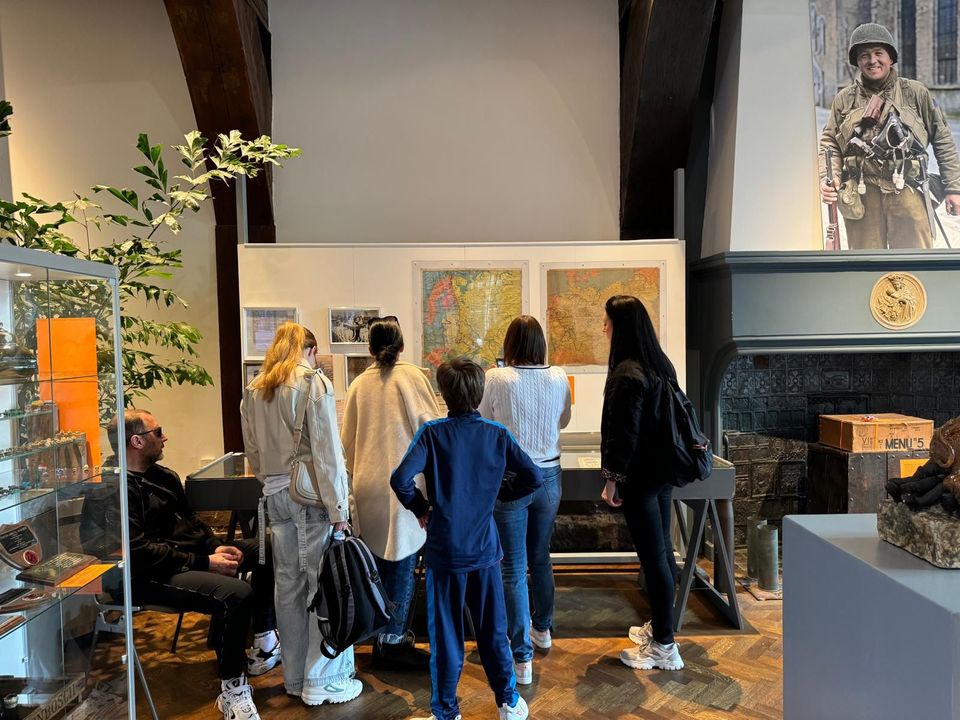
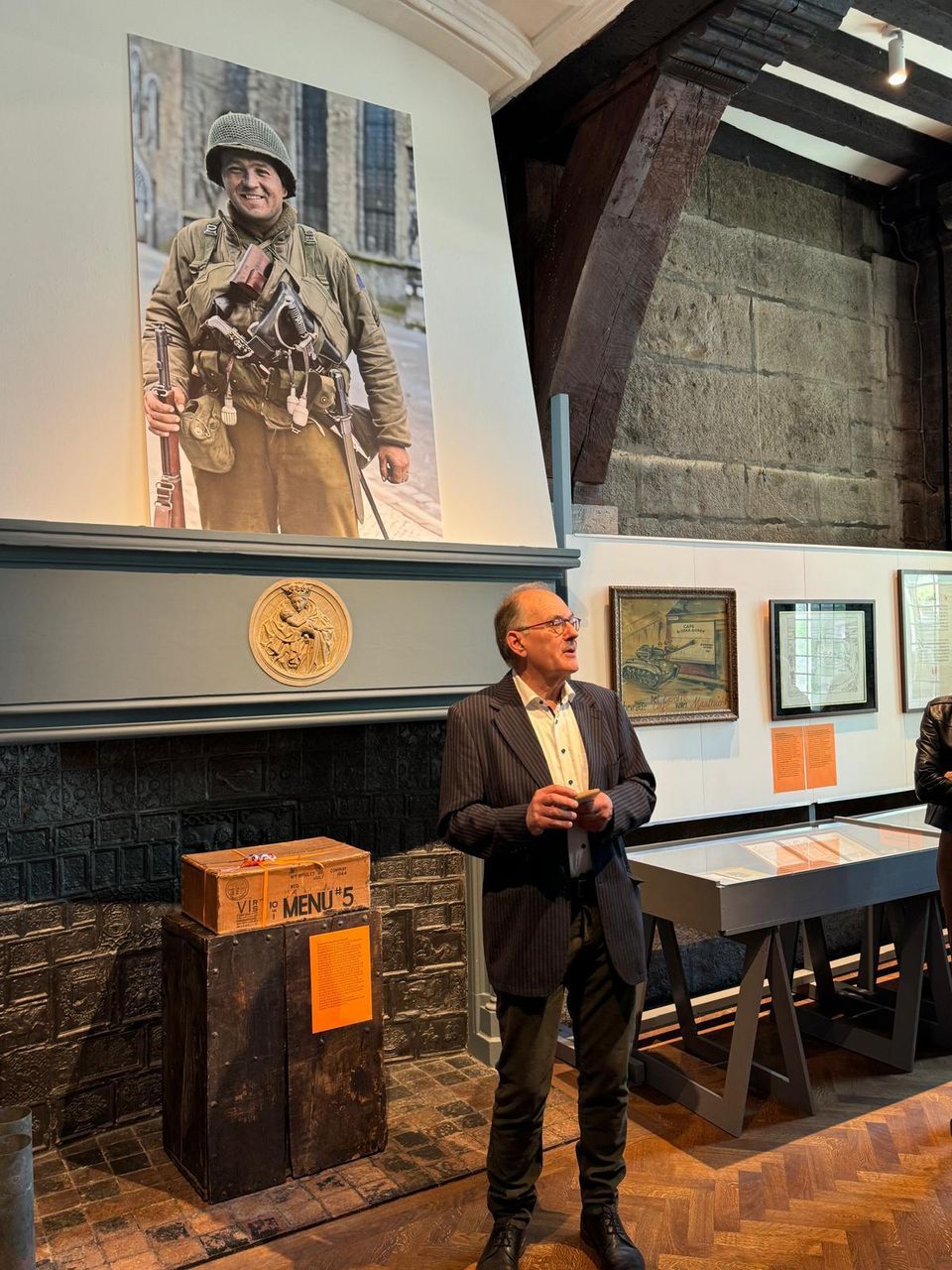
Henriëtte: “In the run-up to ‘Maastricht 80 Years Liberated’, we were invited to organise activities in collaboration with other organisations. The idea of turning it into a whole year of commemoration soon took shape. One of the initiatives was a free exhibition on the Air Raid Protection Service, which we developed in collaboration with the ‘Werkgroep Schuilen in Maastricht...’.”
The Dinghuis proved to be a suitable venue for this. Not only because of its central location, but also because of its own history. During the Second World War, the building served as a lookout post and as an office for the Air Raid Protection Service. Together with volunteers, we set up the ground floor for the exhibition. It was a success: both residents and visitors turned out in droves to have a look.”
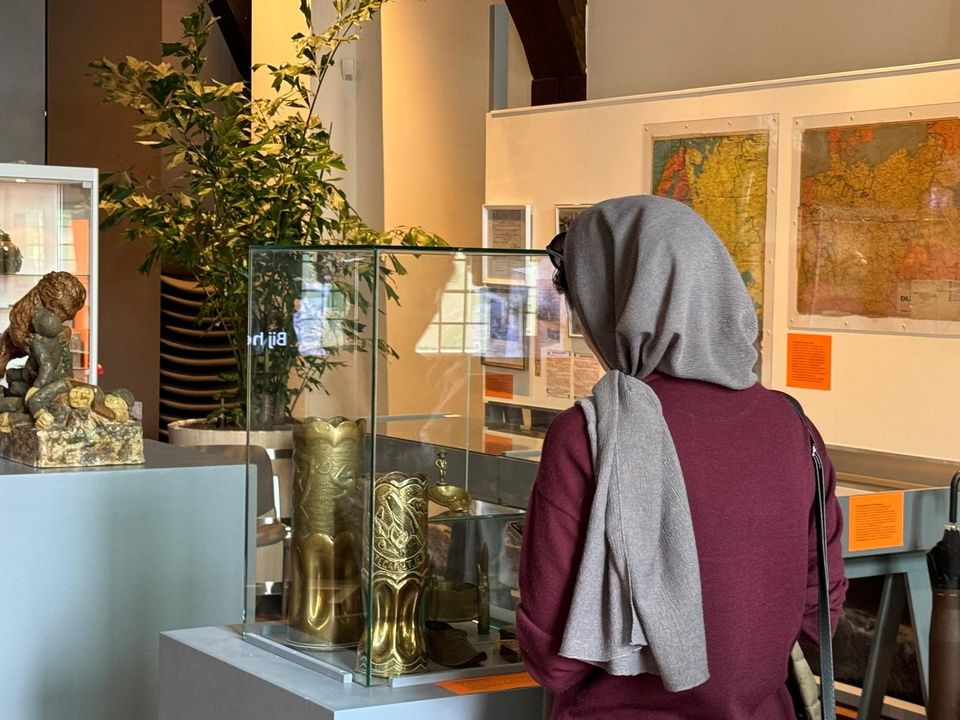
This was followed by other initiatives, including an exhibition on liberation souvenirs. The history of the Dinghuis itself was also highlighted, with stories about the Poesjenellenkelder and the youth club, including during puppet shows and Museum Night. This was followed by an exhibition on the Cold War. “This is how we share Maastricht’s stories in an accessible way. I find it particularly valuable that we also reach young people who are discovering connections between the Cold War and the present day.”
“
It’s a form of preservation, recording stories so that they are not lost.
”
Jos Notermans, ‘Schuilen in Maastricht’ Working Group...
Making heritage accessible
Jos Notermans is co-founder of the ‘Werkgroep Schuilen in Maastricht…’. This group of volunteers has set up a shelter museum in the casemates – the network of tunnels used as shelters during the Second World War and the Cold War. Jos: “During our open days, we regularly receive items from visitors. We sat down with Explore Maastricht to discuss the exhibition on the Air Raid Protection Service, but soon discovered a shared desire to highlight more topics for both residents and visitors. This is how the opportunity arose to give the liberation souvenirs a home. It’s a form of preservation – recording stories so that they are not lost. We have limited (financial) resources and do a lot ourselves. That makes it challenging but also rewarding.”
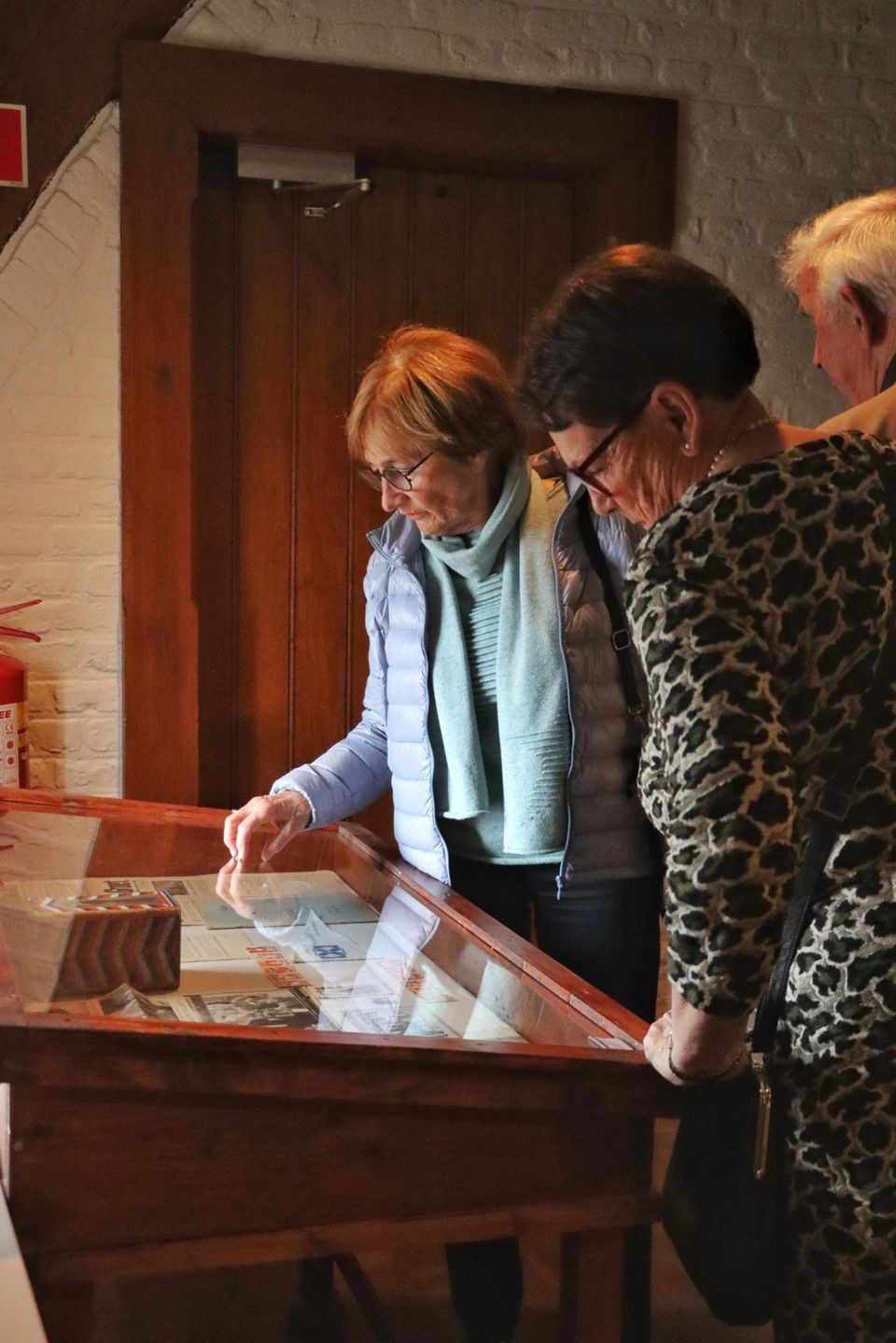
Henriëtte: “Through collaboration, you can develop initiatives like this and make them easily accessible to the public. We complement each other and work well together. We look for partners who help us tell the story more widely, each drawing on their own expertise. The exhibitions are open for an average of two and a half weeks, for a few hours each day. Our first three editions each attracted over 3,000 visitors. We’re very proud of that.”
The experiences at the Dinghuis demonstrate how collaboration opens up new opportunities to make Maastricht’s heritage and stories accessible to a wide audience. And we’ve only just begun...
More showcases
New Dutch: stage for innovation and work-life balance
A place where residents and visitors really experience Maastricht. With the Maastricht Store, we created an environment where culture, crafts and local makers come together.